
Description
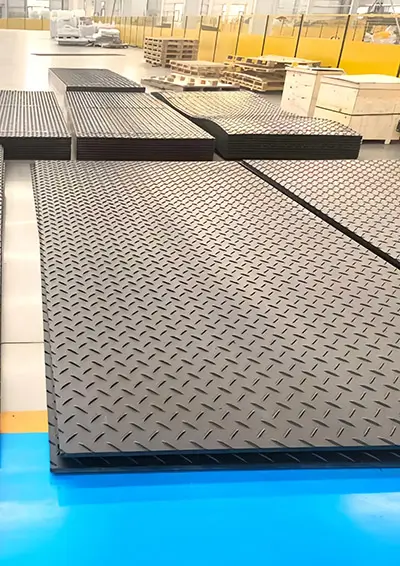
HDPE Ground Protection Mats Parameter
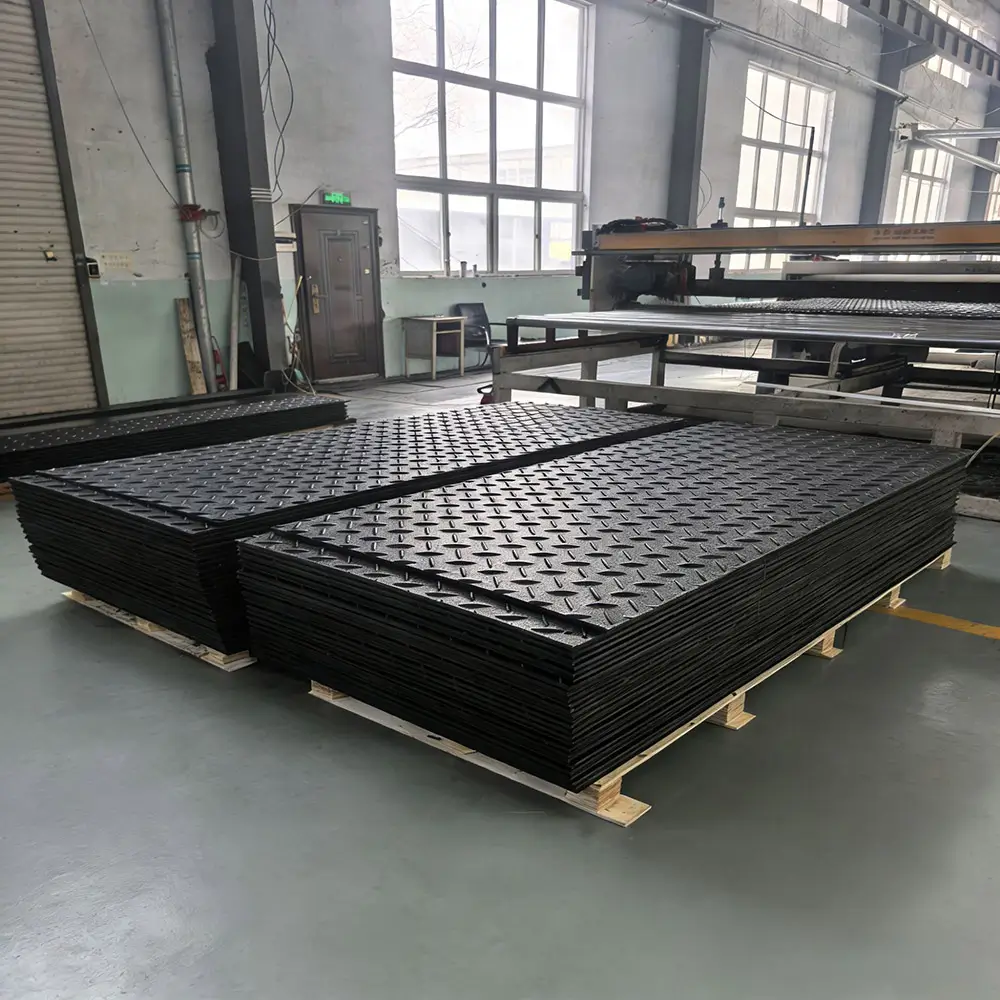
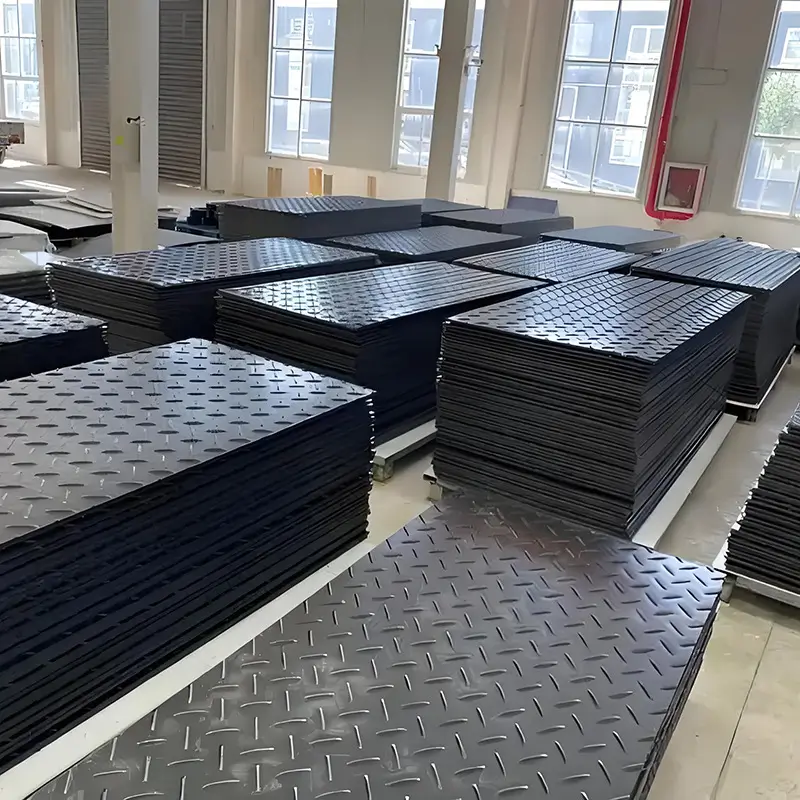
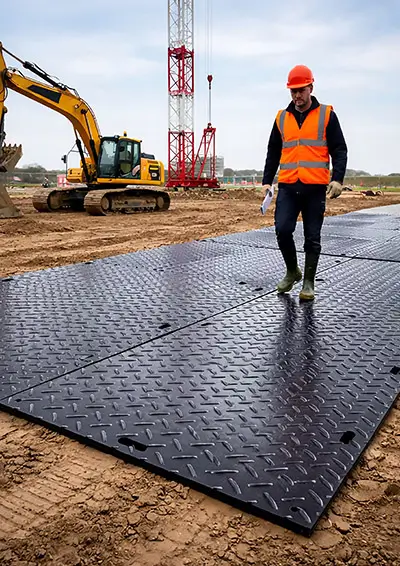
QIVOC is a premier manufacturer and supplier of high-quality driveway protection mats. We offer both standard-specification products and customizable options. You may refer to the specifications below to select the heavy-duty ground mats best suited for your project, or simply describe your requirements to us, and we will recommend the ideal temporary access mats for your needs.
In either case, we provide wholesale pricing, unmatched value and service.
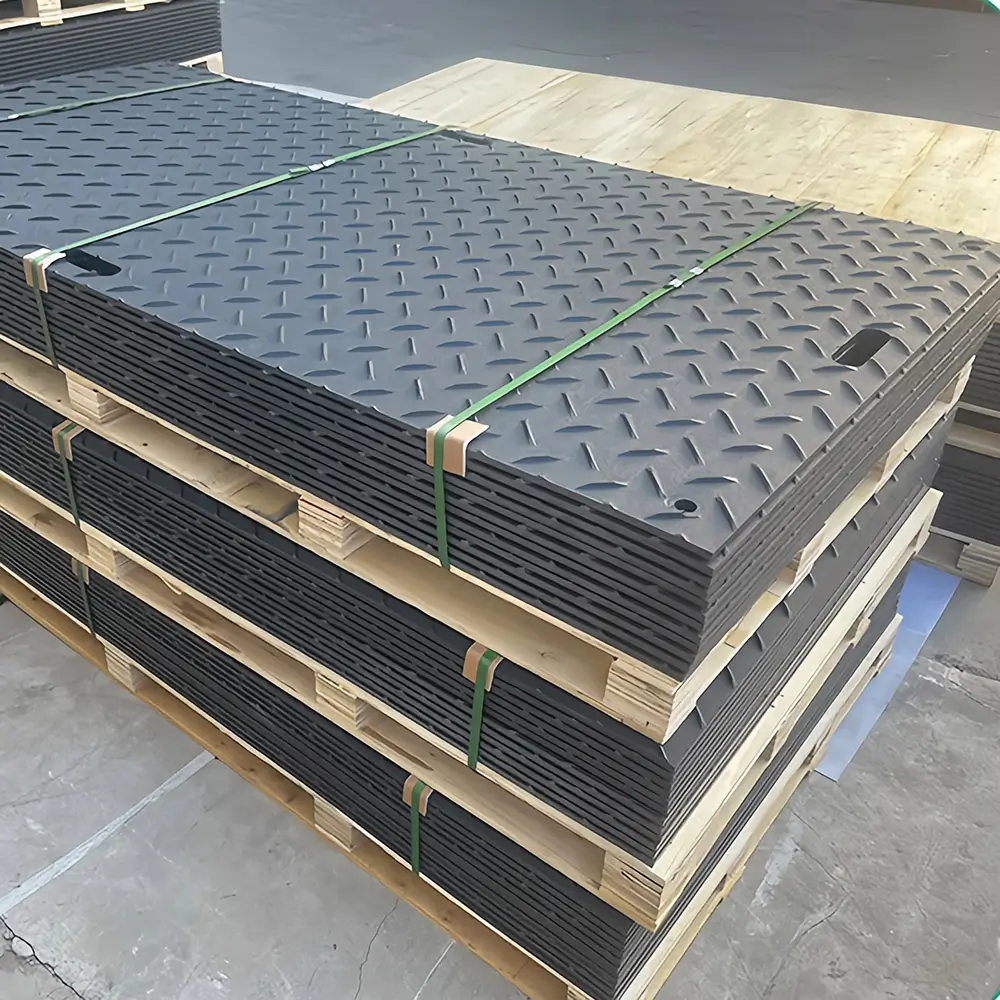
| Length | Custom (common: 2.44 m / 3.00 m / custom) |
|---|---|
| Width | Custom (common: 1.22 m / 1.00 m / custom) |
| Thickness | 12 mm / 15 mm / 20 mm / custom |
| Weight | Approx. 12-20 kg per square meter (varies by thickness) |
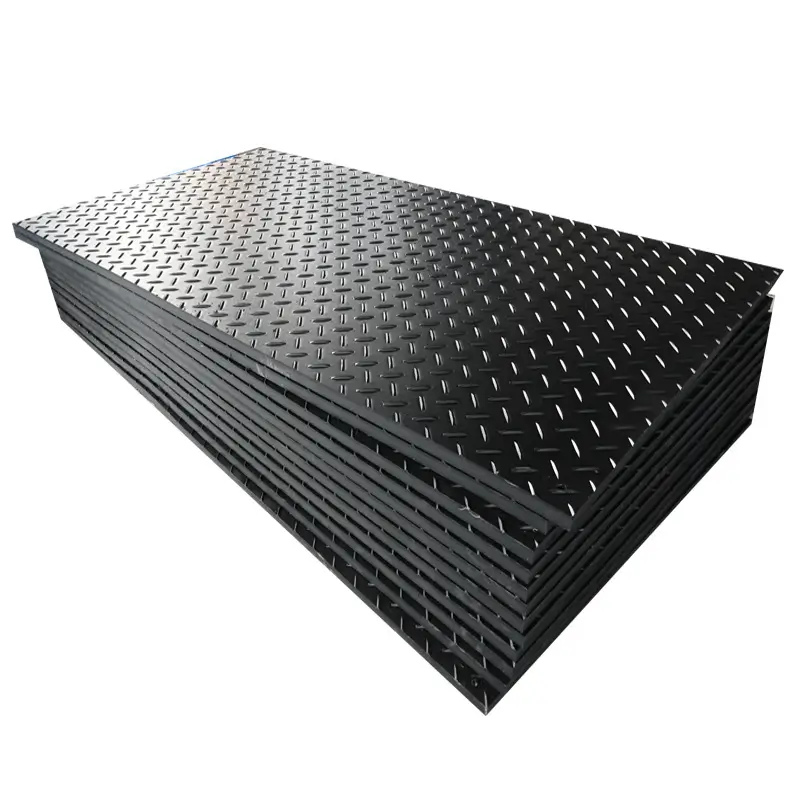
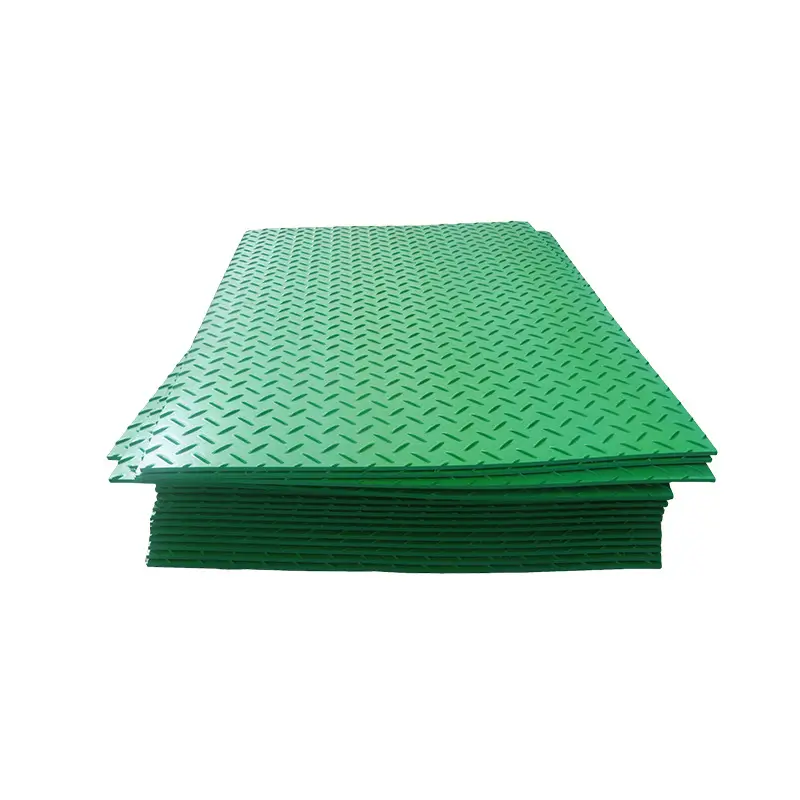
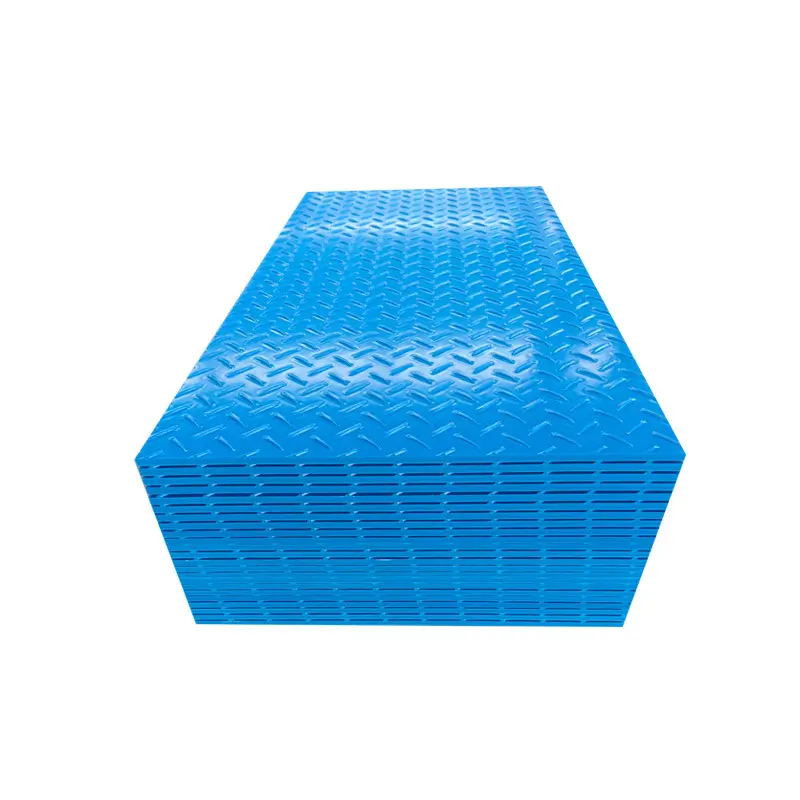
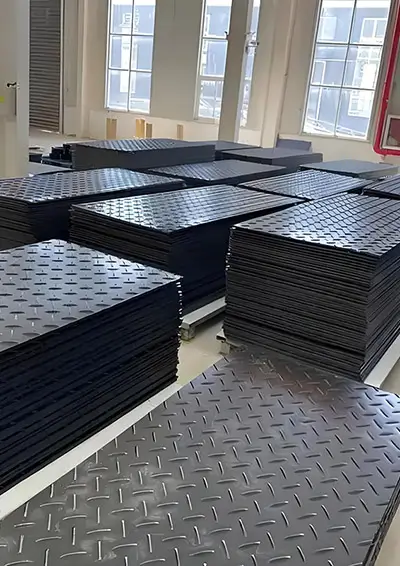
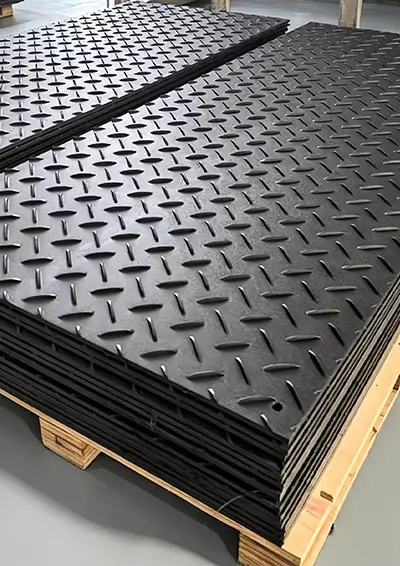
| Pattern | Raised anti-slip surface |
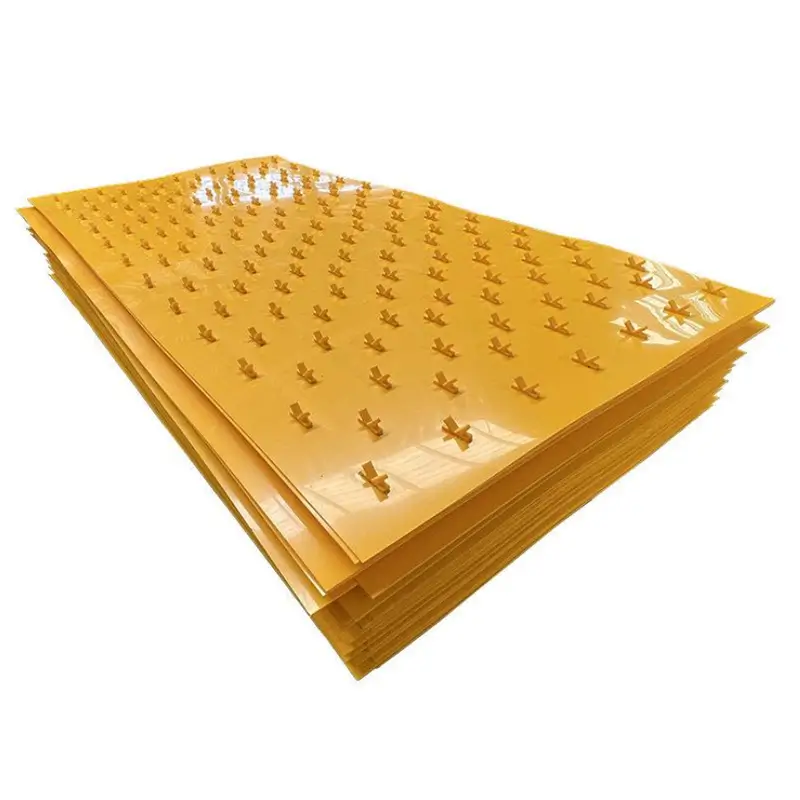
| Color | Black, Yellow, Green, Blue, Rad (custom) |
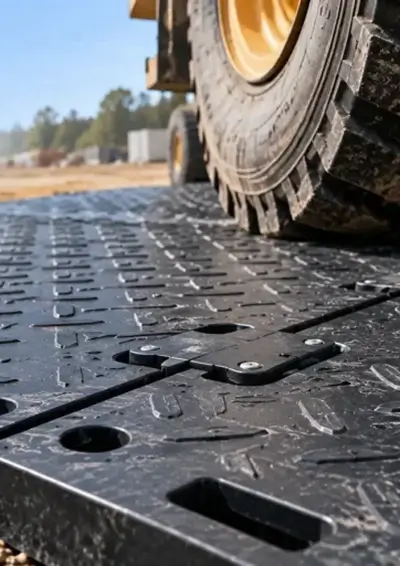
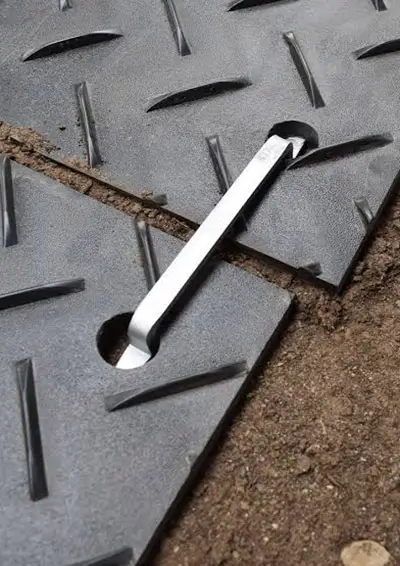
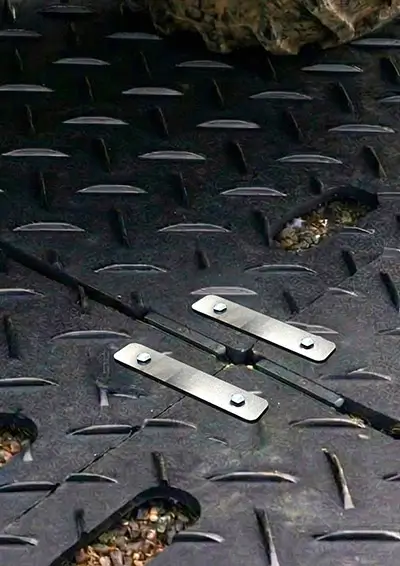
| Connector type | Galvanized steel quick connector |
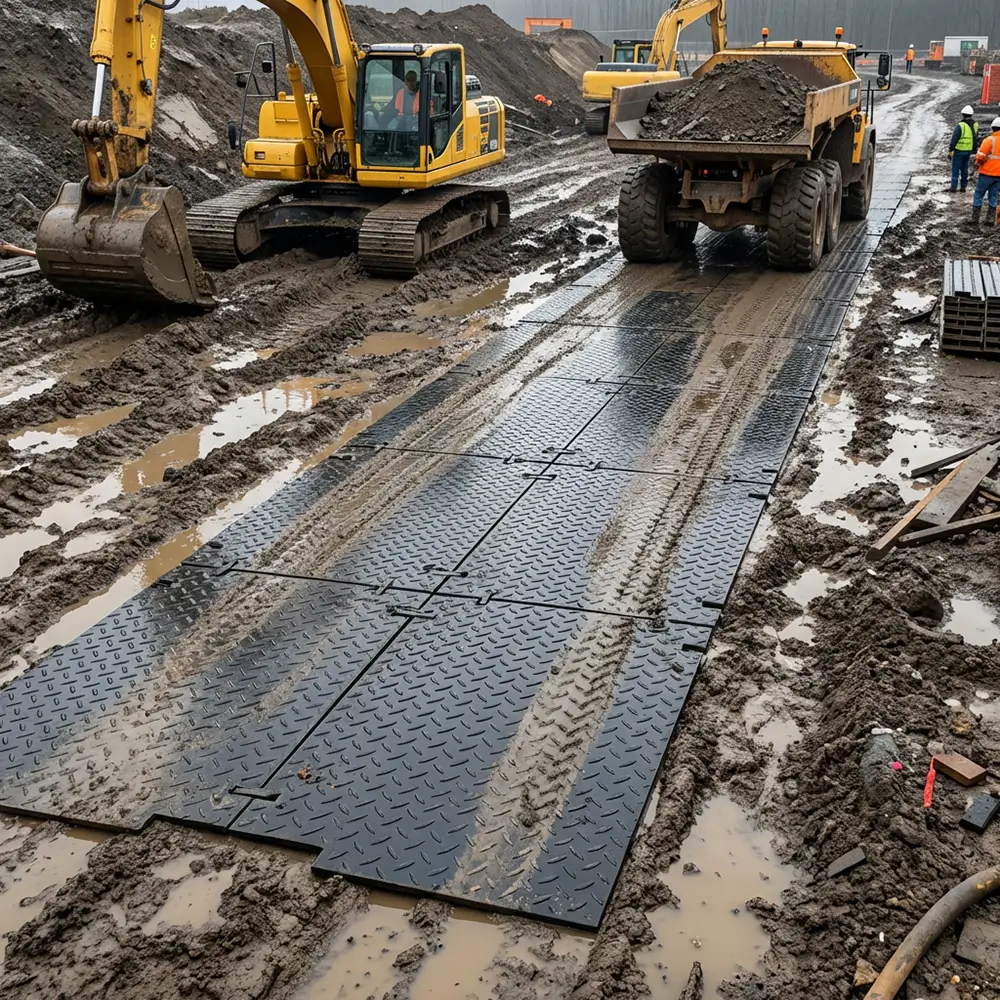
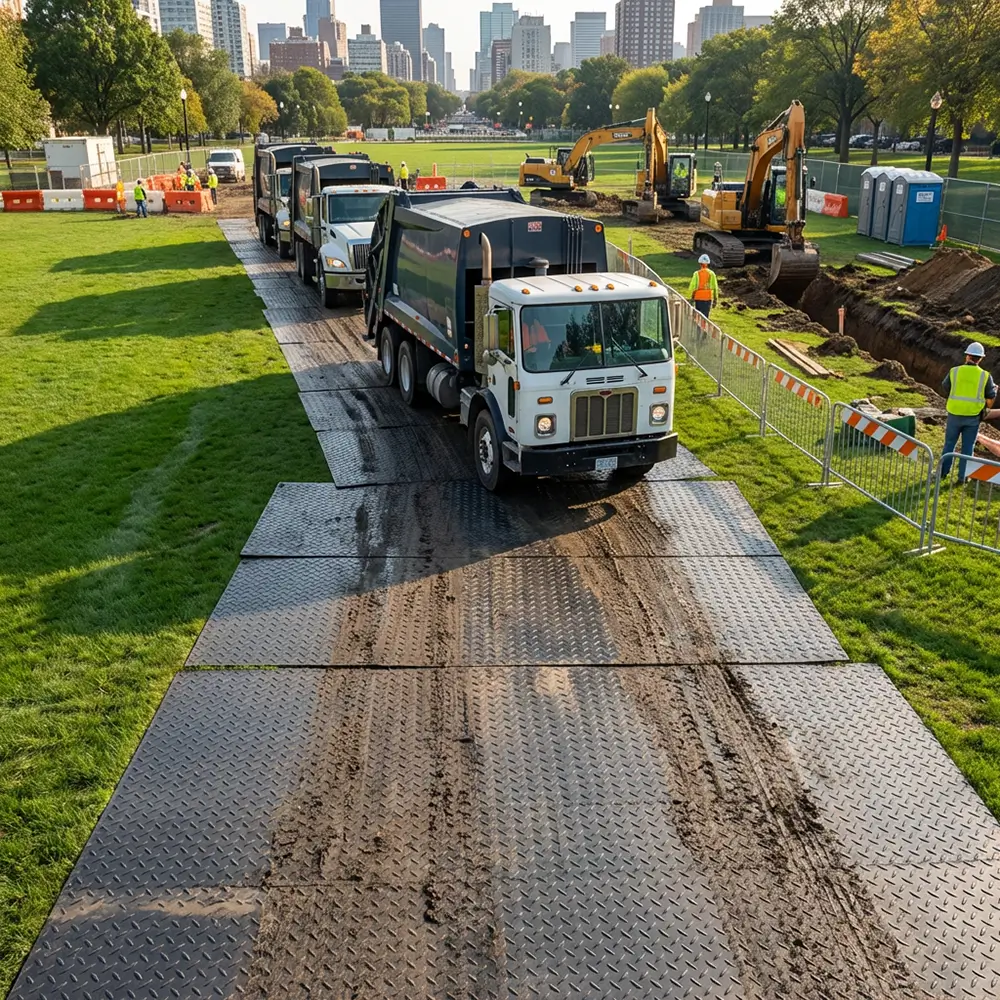
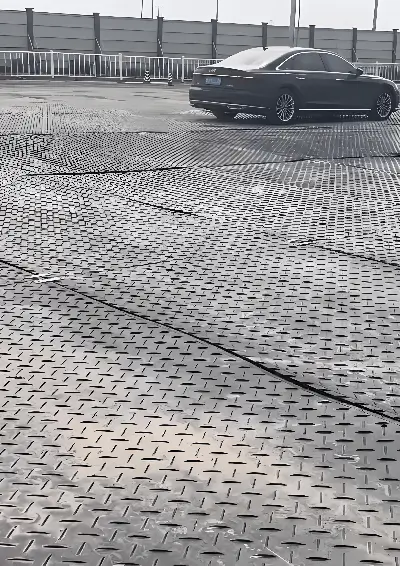
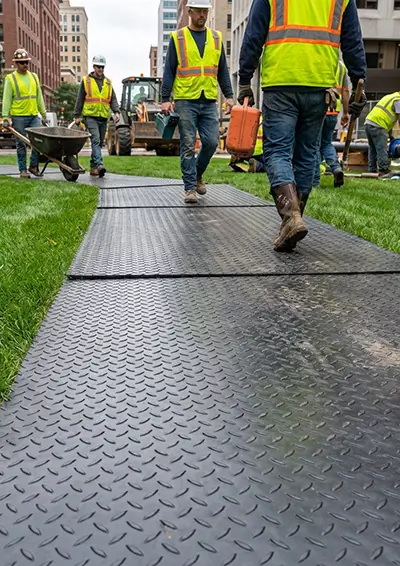
| Recommended applications | Event venues, landscaping projects, construction sites, oil and gas, mining, lawn and public facility protection, access roads, lawn and soil protection |
Why Choose Us
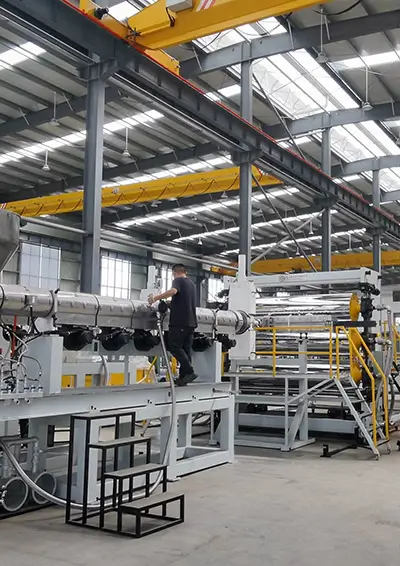
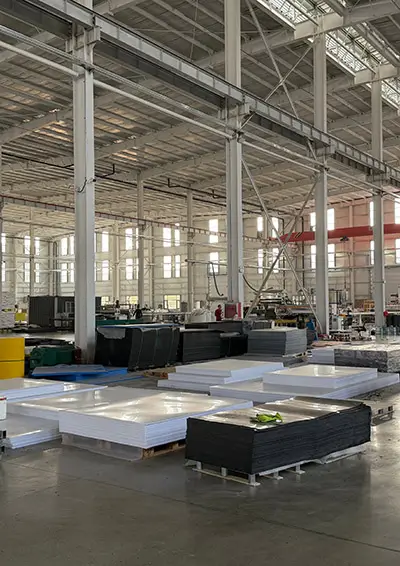
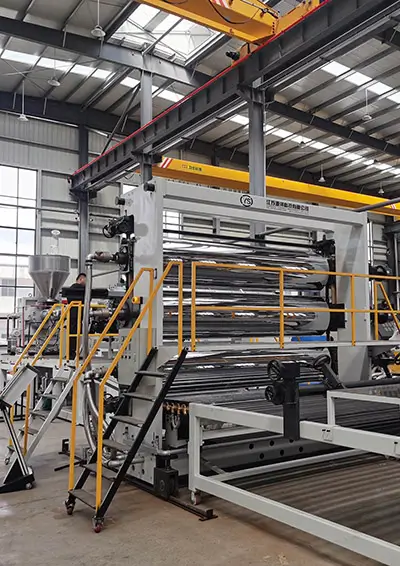
As a leading Chinese manufacturer and supplier of plastic ground mats, here are our unparalleled advantages:
- Professional manufacturer of temporary ground protection mats; factory-direct sales at competitive prices.
- Fully customizable: HDPE road protection mats can be tailored to your specific dimensions, thickness, and load-bearing requirements.
- High production capacity: Large daily output ensures rapid delivery, keeping your projects on schedule.
- Premium quality only: Every mat undergoes rigorous load-bearing and fatigue testing before leaving the factory—no shortcuts or compromises on quality.
- 12-month warranty with free replacement; technical guidance on installation provided.
- Samples available: Samples can be provided (shipping costs to be covered by the client). The cost of full-sized samples will be credited toward bulk orders; non-full-sized samples are provided free of charge.
- Exported to numerous countries, including the United States, Australia, Canada, India, Germany, Italy, and more.
Uses for Heavy-Duty Ground Mats
QIVOC has compiled the primary uses for temporary HDPE plastic mats.
By ground and road condition
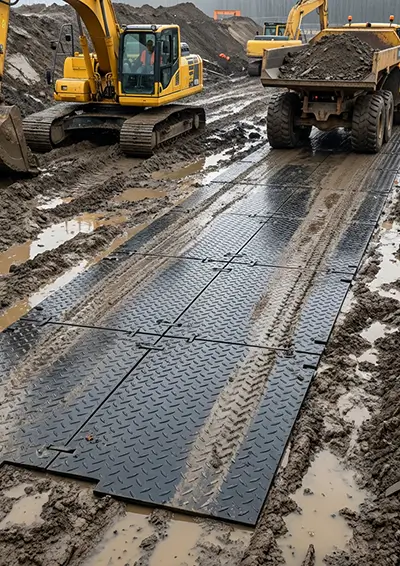
- Mud and wet ground
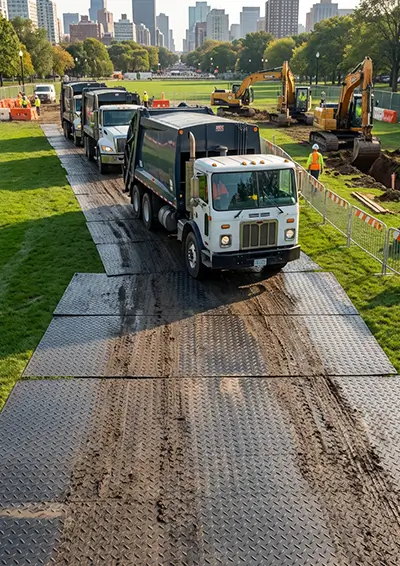
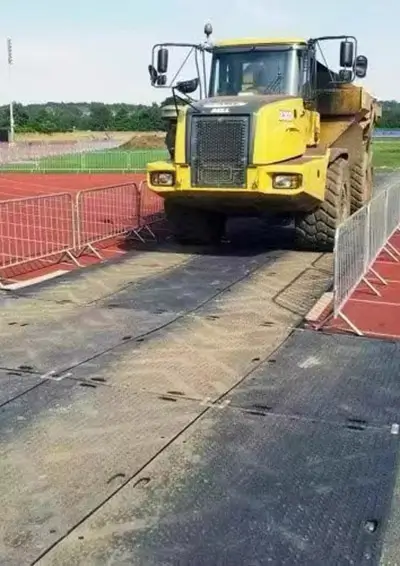
- Grass and turf (lawns, sports fields, golf courses, parks)
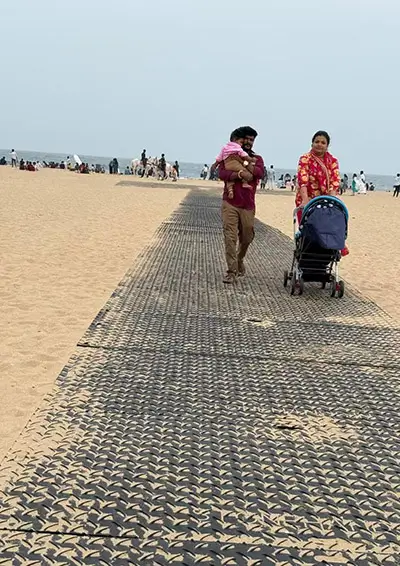
- Sand and loose ground (beaches, dunes, desert tracks)
- Gravel and unpaved tracks
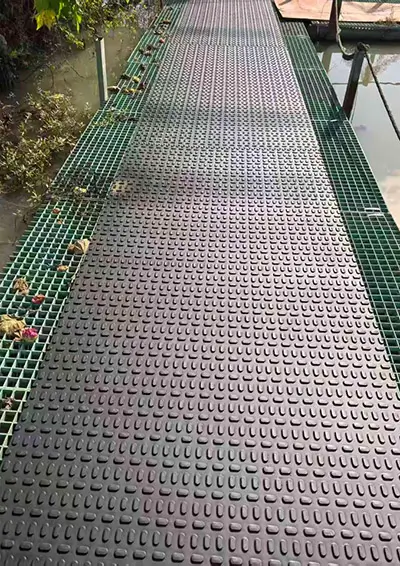
- Wetlands and environmentally sensitive areas
- Existing paved surfaces (asphalt, concrete, pavers, driveways)
- Backfilled trenches and disturbed soil
- Slopes and uneven ground
- Farm fields and soft agricultural land
- Winter and frozen ground
By project and industry
- Construction and housebuilding
- Civil engineering and roadworks
- Utilities, pipelines and cable laying
- Oil and gas
- Solar farms
- Wind farms
- Power lines and substations
- Mining and quarrying
- Events and festivals
- Temporary car parks and driveways
- Agriculture, forestry and land management
- Rail and infrastructure access
- Emergency, disaster relief and military
By vehicle and equipment
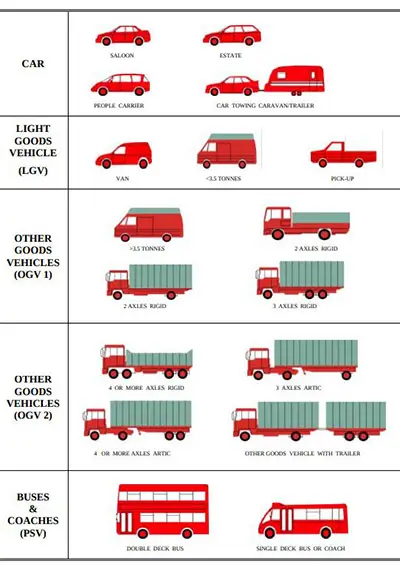
- Cars, vans, pickups and SUVs
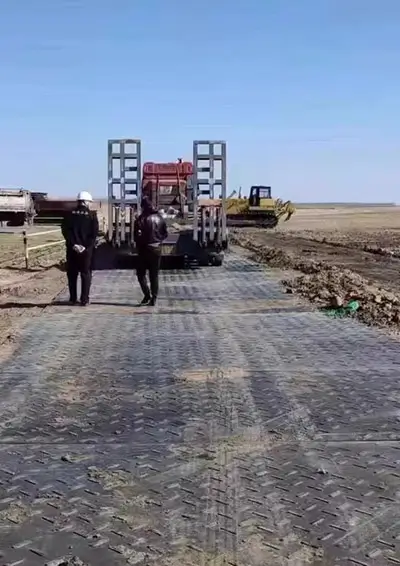
- Trucks, dump trucks and flatbed trailers
- Concrete mixers and pump trucks
- Water bowsers, tankers and vacuum trucks
- Excavators, backhoes and wheel loaders
- Skid steers and compact track loaders
- Bulldozers and large steel-tracked machines
- Telehandlers and rough-terrain forklifts
- Mobile cranes and truck-mounted cranes
- Scissor lifts and boom lifts
- Generators, light towers, site cabins and containers
- Tractors and agricultural machinery
- Emergency vehicles (fire trucks, ambulances)
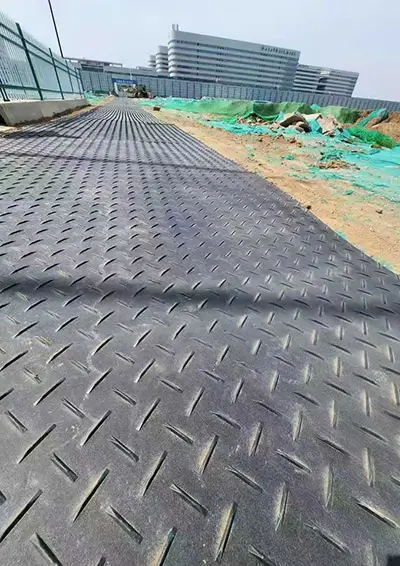
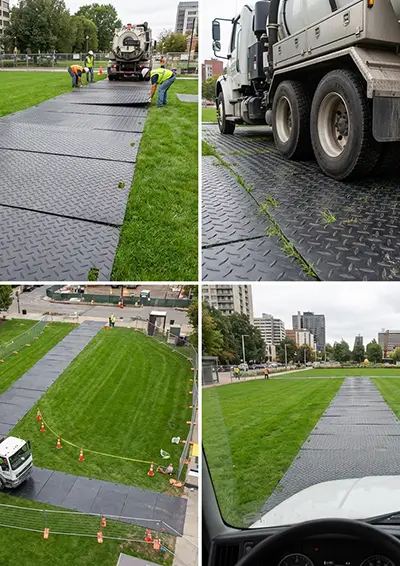
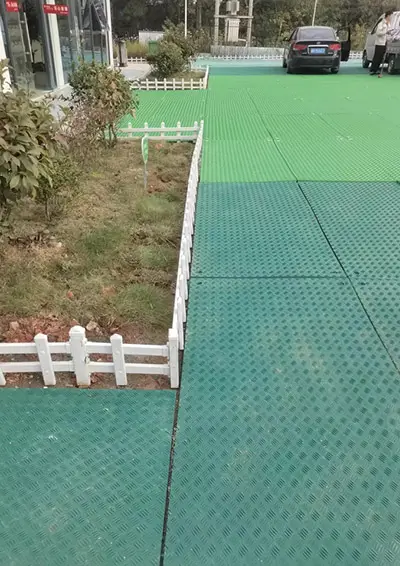
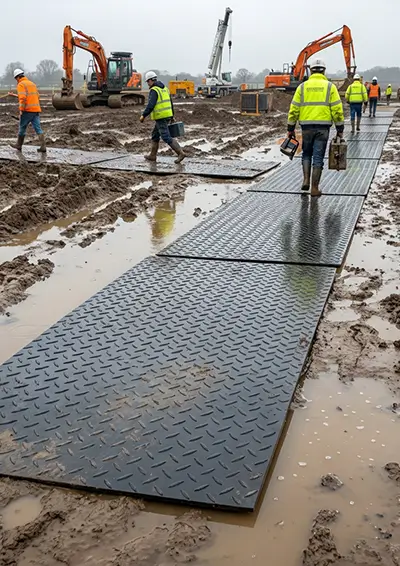
“Have a question? Click the button below to reach out to us directly for personalized support. ”
Rest assured, we’ll respond to your inquiry within 2 hours.

How to Choose the Right Temporary Road Mats
Step 1: Determine Load-Bearing Requirements (Selecting Thickness)
Choose the appropriate mat thickness based on the maximum gross weight of the vehicles or equipment that will pass over them:
- Light-duty (10mm – 12.7mm): Suitable for pedestrians, golf carts, and light pickup trucks (load capacity: up to 10 tons).
- Medium-duty (15mm): Suitable for medium-sized trucks, compact excavators, and aerial work platforms (load capacity: 20–40 tons).
- Heavy-duty (20mm – 28mm or greater): Suitable for large tracked excavators, cranes, and concrete pump trucks (load capacity: 60–80+ tons).
Step 2: Assess the Ground Foundation (Select Material and Toughness)
Determine the required physical properties of the material based on the existing ground conditions at the construction site:
- For lawns, sandy soil, or compacted dirt: Standard HDPE (High-Density Polyethylene) is sufficient and offers excellent cost-effectiveness.
- For extremely muddy, swampy, or rocky terrain—or areas with sharp objects—it is recommended to upgrade to UHMWPE (Ultra-High-Molecular-Weight Polyethylene), which provides superior impact and tear resistance, making it less prone to breakage.
Step 3: Determine the Vehicle Type (Select Surface Tread Pattern)
Choose an appropriate anti-slip tread pattern based on whether the primary traffic consists of tracked or wheeled vehicles:
- Wheeled vehicles/pedestrians: Use a low-profile or herringbone tread pattern; this provides slip resistance without trapping tires, while also remaining convenient for pedestrians to walk on.
- Heavy tracked machinery: Use a deeper, more robust heavy-duty tread pattern (such as a large-lug design) to prevent the tracks from slipping and to reduce wear on the panels themselves.
Step 4: Calculate the Construction Area (Select Panel Dimensions)
Choose the dimensions for individual panels based on the wheelbase and turning radius of the operating vehicles, as well as the site terrain:
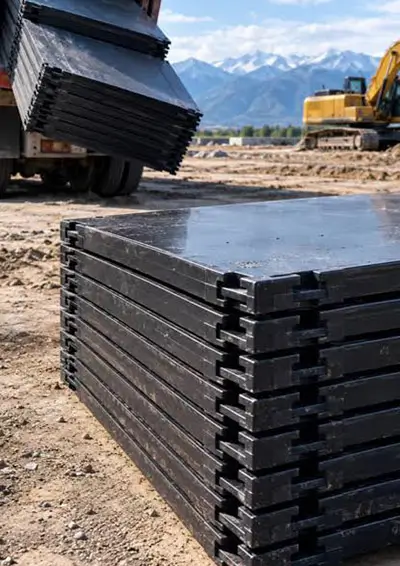
- Common dimensions: 3000×2500 mm, 2440×1220 mm, 3000×1500 mm, 4000×2000 mm.
- Selection criteria:
- Temporary single-lane access: Typically, 2440×1220 mm panels are used, arranged in either a single or double row.
- Large-scale work platforms/storage yards: Use larger panels (3 meters or 4 meters in length) to minimize seams and enhance overall stability.
Step 5: Determine the Connection Method (Select Connecting Accessories)
Choose the appropriate locking mechanisms based on the project duration and road surface gradient:
- Short-term use / Flat terrain: Use one-way or two-way flat connecting pins for the fastest installation and dismantling.
- Long-term use / Slopes / Areas with frequent heavy-vehicle maneuvering: Use metal four-way locks or high-strength four-hole connecting plates to prevent the panels from shifting or coming apart when vehicles turn.
How to Use Plastic ground Protection Mats
(1) Site Clearing
- Removal of Large Obstacles: Clear the ground of large rocks (exceeding 10 cm in diameter), tree stumps, or solid construction debris. This prevents excessive localized stress that could cause severe damage to the base plates.
- Slope Gradation: In areas with deep pits or excessively steep mounds, it is recommended to perform basic backfilling—using soil or crushed stone—to create a more gradual slope.
(2) Standard Dosage
- Route Determination: Plan the required width based on the wheelbase of the construction vehicles (for single-lane or dual-lane traffic).
(3) Interlocking Connection
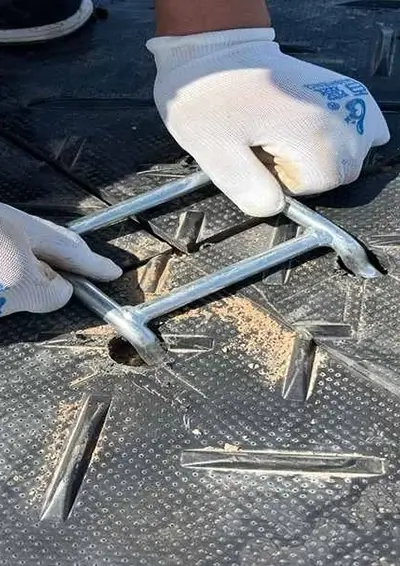
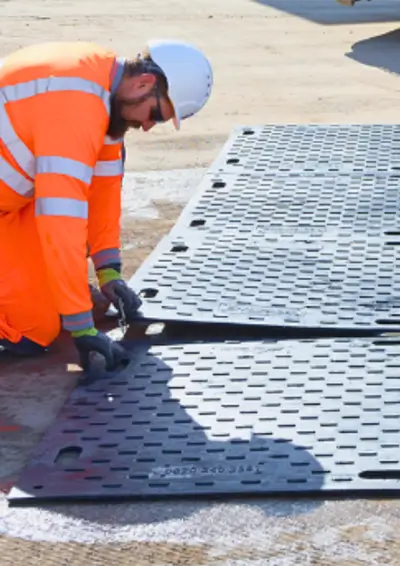
- HDPE ground mats must never be used individually. They must be joined together into a unified system using specialized metal or high-strength plastic connectors (links/fasteners).
- Two-way connectors: Used to join mats end-to-end or to connect support structures, creating a long, continuous path.
- Four-way connectors: Used for assembling large-scale temporary warehouses, material storage platforms, or racking/shelving platforms.
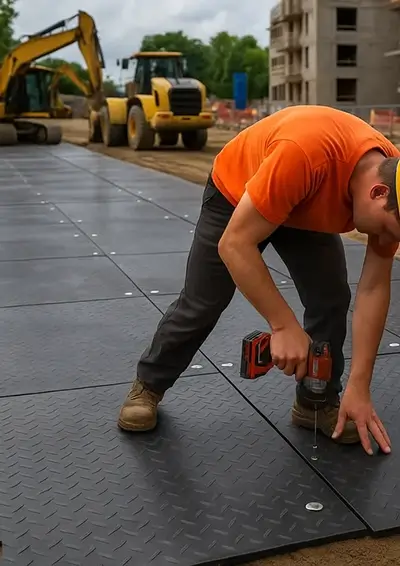
- Note: When connecting the mats, please use the wrench provided with the panels—or an appropriate power tool—to securely tighten the locks.
(4) Finishing and Edge Securing
- In areas with steeper slopes (e.g., exceeding 15 degrees) or where the substrate is severely compromised and prone to slippage, ground anchors or reinforced fixing pins may be inserted through the pre-drilled holes in the base panels and driven into the soil to stabilize the entire system.
Advantages of HDPE Plastic Ground Protection Mats Compared to Other Materials
We have compared heavy-duty outdoor access mats with other types of temporary roadway mats—including those made of aluminum, wood, and steel—from various perspectives.
The details are provided below.
Performance
| Criteria | HDPE mats | Steel plates | Timber mats | Aluminium panels |
| Weight and handling | Very light, about 1/7 the weight of steel plates for the same area and rated load. Two workers can move a mat by hand. | Very heavy. Needs a crane or large lifting equipment. | Heavy. Hard to move by hand. | Light. Can be moved by hand or small machinery. |
| Installation speed and labour | Interlocking mats laid by 2 people, no crane needed. Fast to lay and lift. | Each plate is lifted and positioned by machine. Slow. | Usually needs a loader or excavator. | Light panels, fairly quick to lay. |
| Load capacity | Load-bearing capacity of up to 400 tons. Flexes under heavy load without permanent bending. | Very high capacity, but can bend permanently under long-term heavy loads. | Moderate. Can crack or split locally under heavy loads. | Medium capacity. Can deform permanently under heavy loads. |
| Slip resistance and safety | Anti-slip pattern on both sides. Performs well in rain, snow and mud. | Smooth surface. Very slippery when wet or muddy. | Wet surface can be slippery. Splinters and broken edges can damage tyres. | Patterned surface, but slippery in oily or muddy conditions. |
| Corrosion and chemical resistance | Does not rust, rot or absorb water. Resistant to most acids, alkalis and oils. | Rusts. Needs regular anti-corrosion treatment. | Absorbs water, rots and grows mould. | Good corrosion resistance, but oxidises on contact with strong acids or alkalis. |
| Weather and temperature | UV-stabilised for outdoor use. Unaffected by freeze-thaw cycles. Working range -50°C to +80°C. | Good weather resistance, but rusts over time. | Cracks and decays under repeated wet-dry and freeze-thaw cycles. | Good weather resistance. |
Safety and environment
| Criteria | HDPE mats | Steel plates | Timber mats | Aluminium panels |
| Electrical safety | Non-conductive. Suitable for work near substations and overhead lines, subject to site electrical rules. | Conductive. | Insulating when dry, but loses insulation when wet. | Conductive. |
| Noise | Low noise under traffic. Better for night work and sites near homes. | Loud impact noise from vehicles, especially at joints. | Fairly quiet. | Metallic impact noise, lighter than steel. |
| Environmental impact | Non-absorbent, with no preservatives leaching into the soil. Easy to clean between sites, so it is less likely to carry soil and weed seeds. Suitable for sensitive areas, subject to local rules. | Rust and oil can contaminate the ground. | Absorbs water. Can carry soil and seeds between sites. Some mats are chemically treated. | Generally no contamination. |
| Ground protection | Conforms to the ground and spreads pressure, protecting turf and soil. Smooth-back options are available for finished surfaces. | Excessive weight can crush buried pipes and turf. Hard edges can mark paved surfaces. | Low flexibility. Can sink into soft soil and deform the ground. | Rigid and heavy. Limited protection for soft surfaces. |
Cost and lifecycle
| Criteria | HDPE mats | Steel plates | Timber mats | Aluminium panels |
| Service life | Reusable for 5-10 years or deployments. UV-stabilised and resistant to ageing. | Long life, but deformation and high maintenance cost. | Shorter life, typically a few years or less under heavy use. | Medium life. Dents and deforms easily from impact. |
| Failure mode | Wears slowly and predictably. Light scratches do not affect use. Retire mats with cracks or damaged connection points. | Bends permanently and must be straightened or replaced. | Can split, crack or rot, sometimes suddenly. | Dents and deforms, and the damage cannot be reversed. |
| Cleaning and maintenance | Non-absorbent. Rinse with a pressure washer. No rust treatment or repainting. | Needs rust removal and anti-corrosion treatment. | Needs preservative treatment and should not sit in standing water. | Low maintenance, but deformed panels are hard to repair. |
| Transport cost | Low. High loading quantity per truck and container saves freight. | Very high. Heavy weight limits the load per truck. | High. Bulky and heavy. | Low to medium. Light to ship. |
| Upfront price | Higher than timber or plywood. | High, plus the cost of lifting equipment. | Lowest upfront cost. | High purchase price. |
| Lifetime cost per use | Low cost per use because the mats are reused across projects. | Lifting, rust treatment and straightening add to the cost. | Cost per use rises because of the shorter life. | Replacing dented panels adds cost. Scrap value offsets part of it. |
| Recycling and end of life | Fully recyclable material. | Highly recyclable, sold as scrap steel. | Limited end-of-life options: reuse, chipping or disposal. | High scrap value and stable aluminium prices. |
| Customisation and branding | Custom colours, sizes, thicknesses, surface patterns and embossed logos. Colours help mark zones on site. | Custom sizes. Colours and markings need paint. | Limited size options. | Custom sizes. Surface treatment adds cost. |
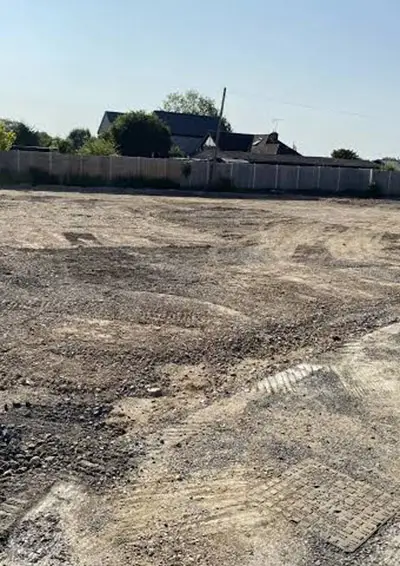
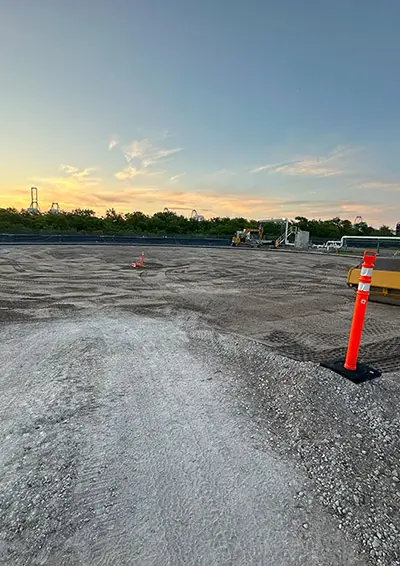
Recent Projects
Discover our recent client projects and explore the range of tailored, personalized support we provide. Share your requirements and receive the ideal solution.

FAQ
Our HDPE temporary mats have a maximum load-bearing capacity of up to 400 tons.
In actual projects, the load-bearing capacity depends on the thickness of the mats, the strength of the underlying ground, and the type of vehicle.
Number of mats = (road length ÷ mat effective length) × number of mats across the width, plus [5–10]% spare. Example: a [100 m] road, [3.7 m] wide with [1.22 × 2.44 m] mats needs about 130 mats.
On firm or lightly soft ground, no excavation is needed: clear sharp debris and large stones, then lay. On very soft or saturated ground, add a geotextile / compacted aggregate layer below, or use a second layer.
The mats are connected using galvanized steel quick connectors.
The MOQ is 1 pieces for standard sizes and 1 pieces for custom sizes or colours.
Standard sizes ship within 15 days from order confirmation. Custom orders take 15 days. For urgent projects, rush production may be possible.
This depends on the thickness and weight of the mats. We will need the specific specifications to perform the calculation.
Once you have confirmed the specifications for the hdpe mats, we will provide you with the detailed loading quantities.
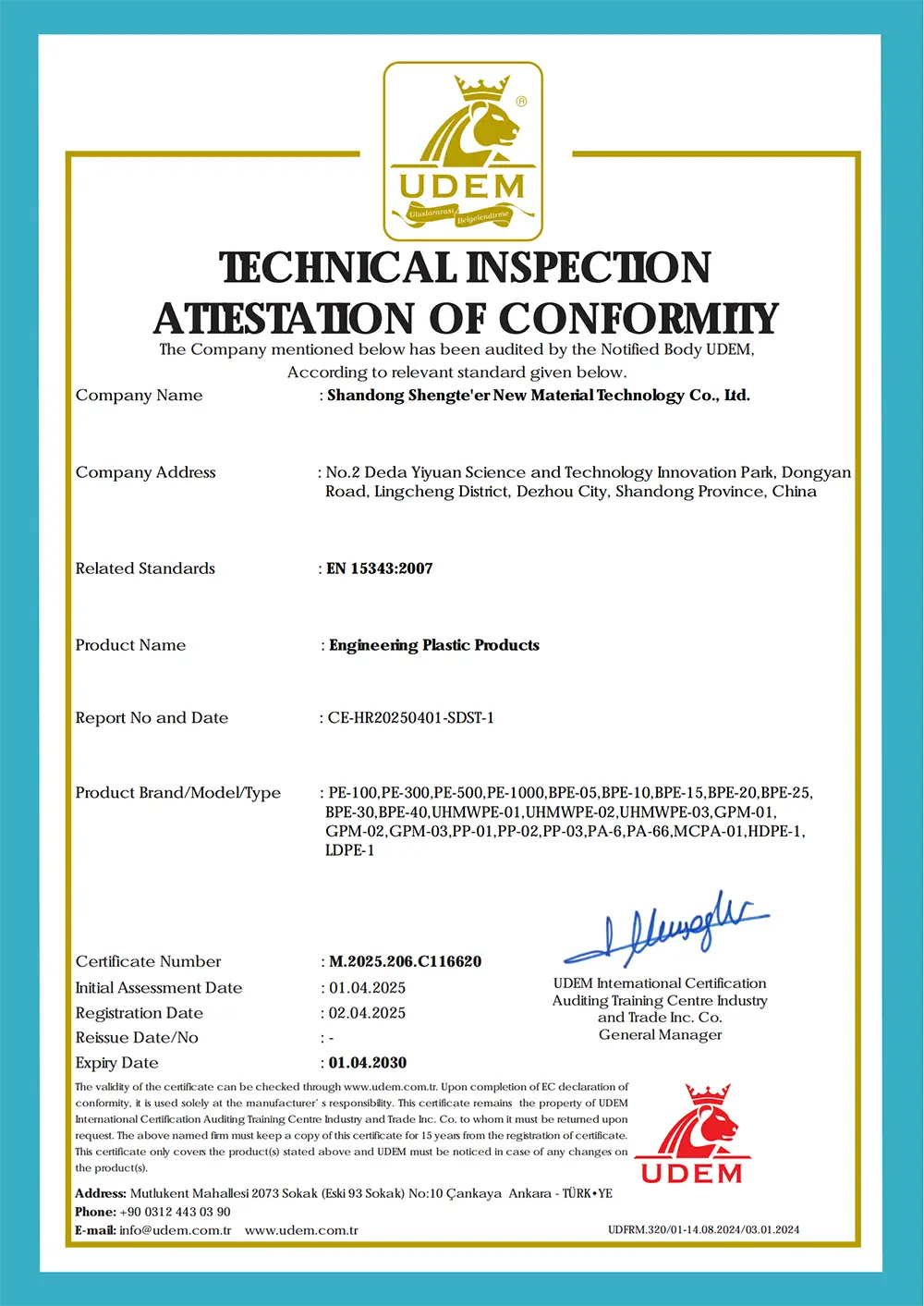
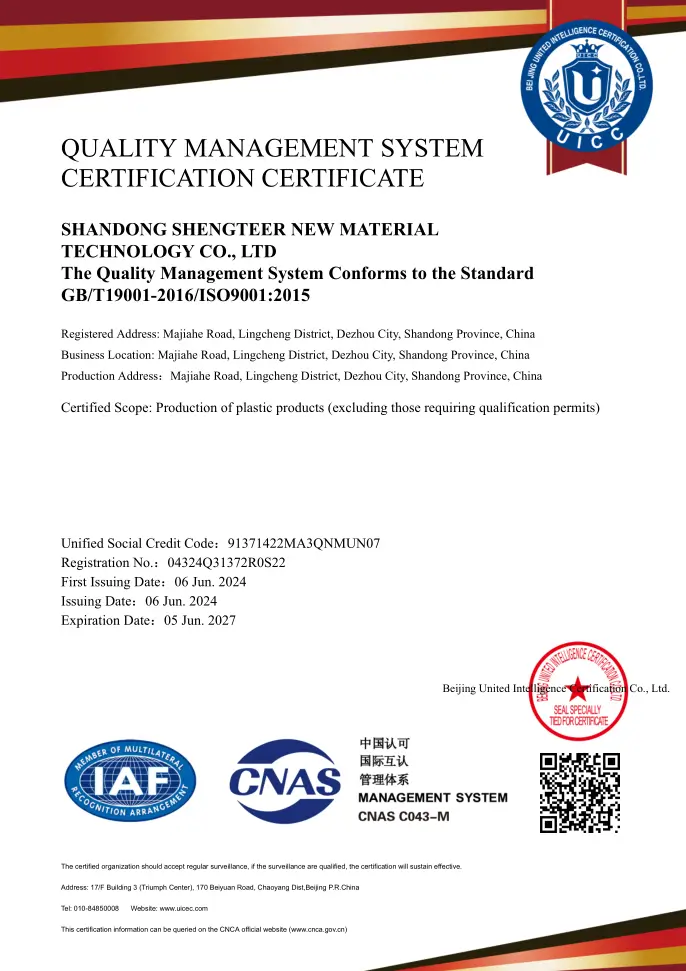
Yes, Please contact us to obtain the certificate.
Yes. We provide free sample. However, you will need to pay the shipping costs.
It depends on the job. HDPE mats are lighter, resist rot, moisture and chemicals, and are easy to clean and move, so they suit repeated redeployment and long-term roads. Timber mats cost less to buy and are the usual choice under cranes and for very heavy concentrated loads. Many projects use both.
Reviews
There are no reviews yet.